Canada Time Zone Map
Canada spans six mainland zones — more than most people expect. Newfoundland is the only sub-hour offset in North America (UTC−3:30).
Swipe to see all time zones
Printed Sat, Oct 31, 2026
Zones in this view
| Zone | IANA | Standard | Daylight | Abbr |
|---|---|---|---|---|
| Pacific | America/Vancouver | UTC−8 | UTC−7 (PDT) | PST/PDT |
| Mountain | America/Edmonton | UTC−7 | UTC−6 (MDT) | MST/MDT |
| Central | America/Chicago | UTC−6 | UTC−5 (CDT) | CST/CDT |
| Eastern | America/New_York | UTC−5 | UTC−4 (EDT) | EST/EDT |
| Atlantic | America/Halifax | UTC−4 | UTC−3 (ADT) | AST/ADT |
| Newfoundland | America/St_Johns | UTC−3:30 | UTC−2:30 (NDT) | NST/NDT |
Good to know
How Canada lines up with the US: most of Canada changes clocks on the same dates as the US, so the hour gap between Vancouver and Los Angeles, or Toronto and New York, stays constant year-round. The irregularities are Newfoundland’s 30-minute offset, Saskatchewan (Central Standard Time all year, so it matches Calgary in summer and Winnipeg in winter), and Yukon (UTC−7 all year since 2020). For a specific Canadian city, the time converter computes the exact offset on the day you’re scheduling.
Where the offsets come from
Every offset on this map is counted from Greenwich. Five dates in how the world agreed on that.
Before 1883
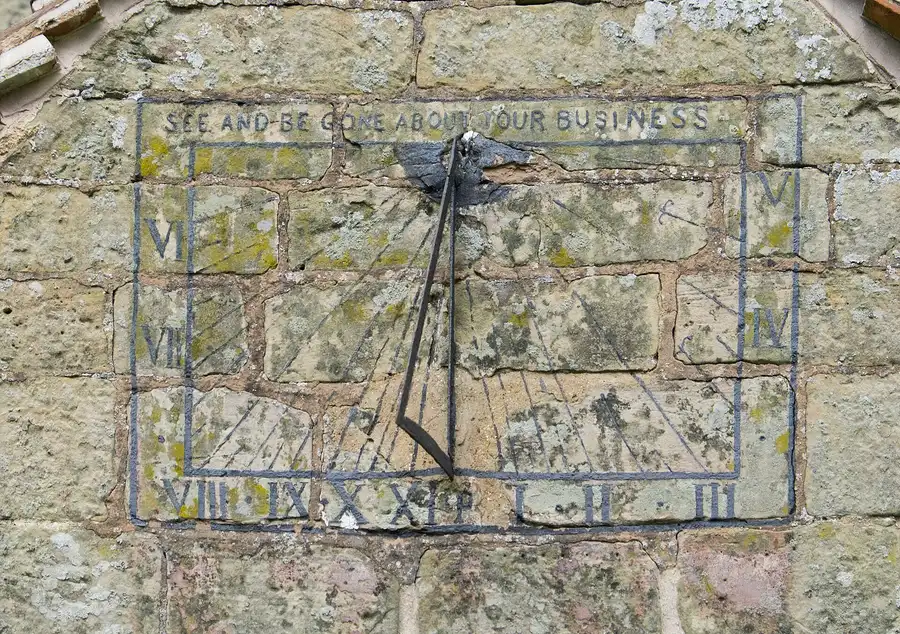
Sun time
Every town set its clocks by the sun overhead, so noon in Boston came about twelve minutes before noon in New York, and railroads juggled dozens of local times.
November 18, 1883
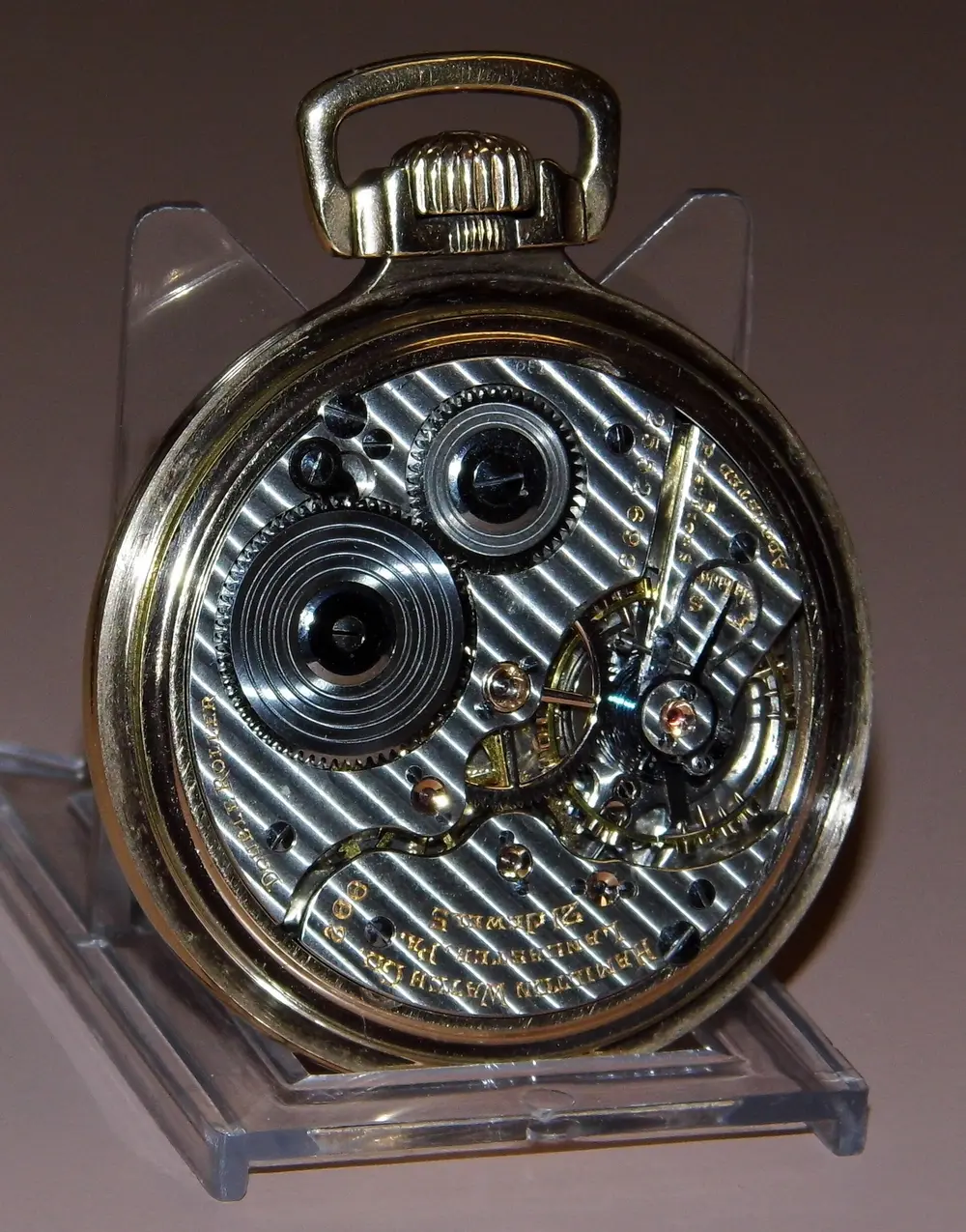
Railroad time
U.S. and Canadian railroads switched to standard zones an hour apart, set from Greenwich. Many towns reset their clocks the same day, remembered as “the day of two noons.”

1884
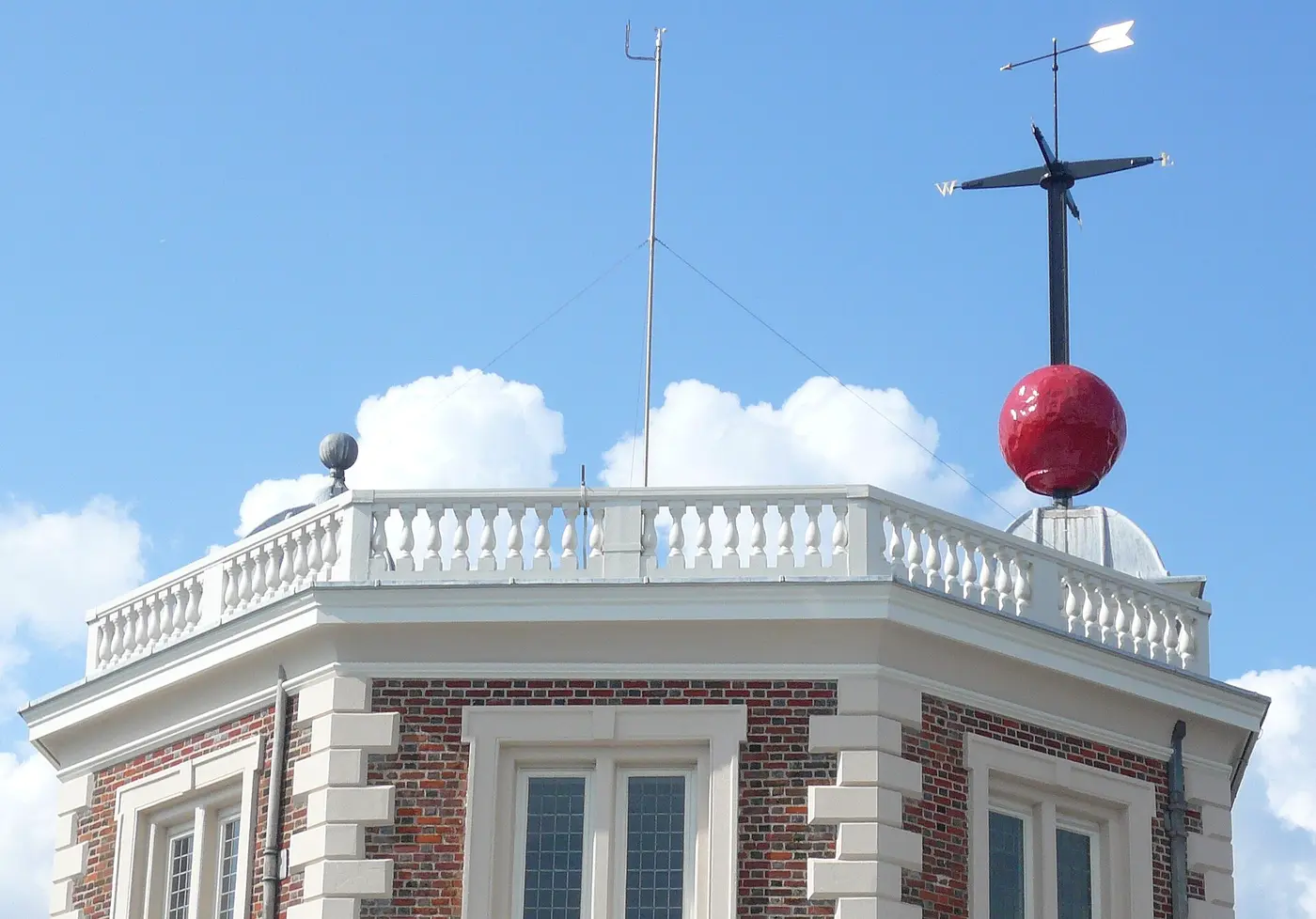
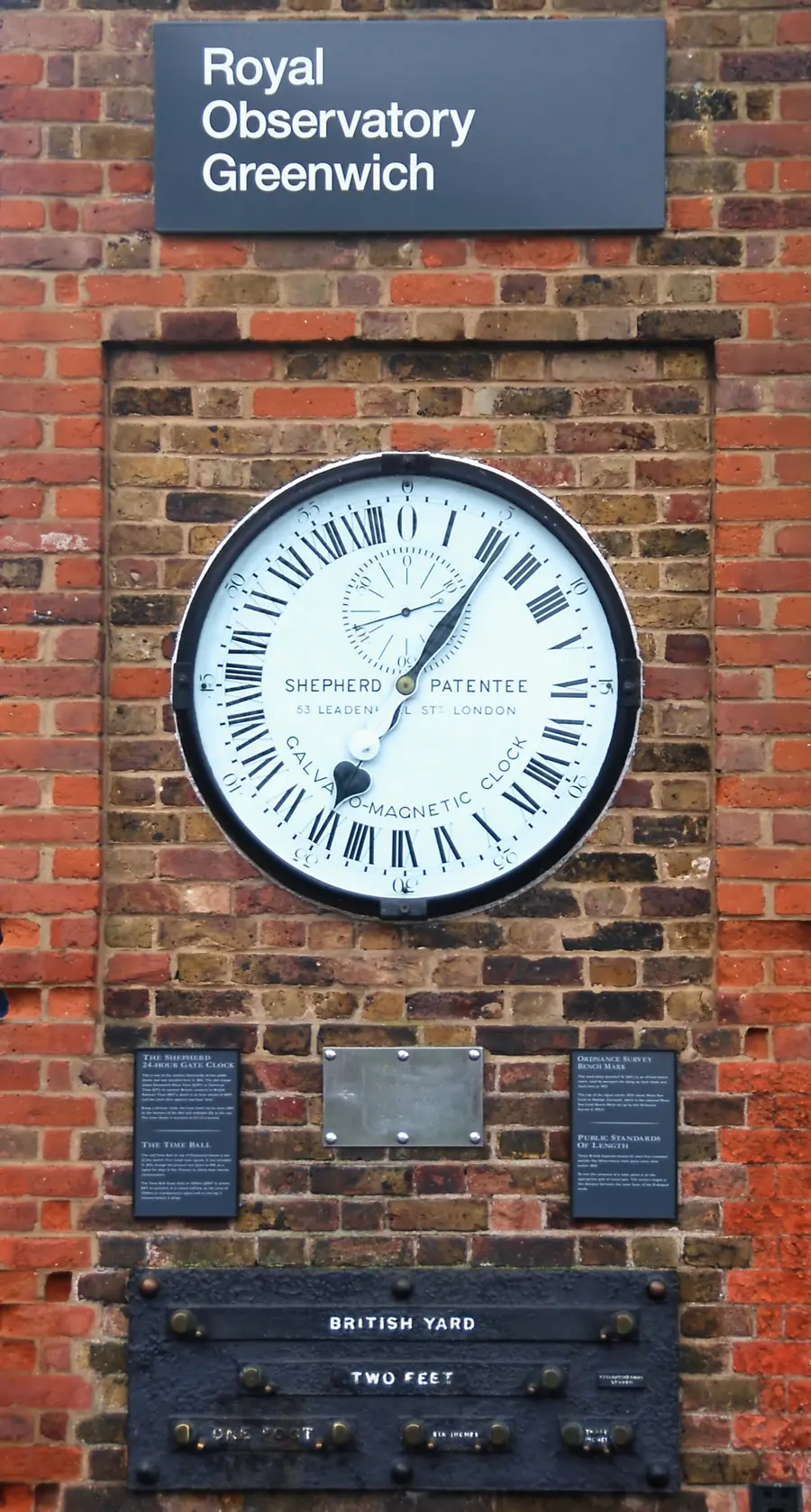
Greenwich
Delegates at the International Meridian Conference in Washington chose the Greenwich meridian as longitude zero — the line every UTC offset on this site is counted from.
1918 and 1966
Time by law
The Standard Time Act made the zones federal law in 1918. The Uniform Time Act of 1966 set common daylight-saving rules and let a state opt out, as Arizona and Hawaii do.
2026
Daylight saving
Since 2007 clocks spring forward on the second Sunday of March and fall back on the first Sunday of November: March 8 and November 1 this year.
Frequently asked questions
How many time zones is Canada in?
Six: Pacific, Mountain, Central, Eastern, Atlantic, and Newfoundland. Some regions skip daylight saving — most of Saskatchewan stays on Central Standard Time, and Yukon has kept UTC−7 year-round since 2020.
What time zone is Toronto in?
Eastern Time (EST/EDT). Toronto’s IANA zone is America/Toronto, one of the Eastern Time identifiers.
Why is Newfoundland a half-hour behind Atlantic Canada?
Newfoundland’s clock descends from local mean time at St. John’s, which lies roughly halfway between the UTC−4 and UTC−3 meridians, so the island kept a half-hour offset (UTC−3:30 standard, UTC−2:30 in summer) — the only one in North America.
Sources: offsets and daylight saving rules from theIANA time zone database; zone shapes from Timezone Boundary Builder. See Data Sources for versions and limitations.