Alaska Time Zone Map
Nearly all of Alaska — Anchorage, Fairbanks, and Juneau included — runs on Alaska Time: AKST (UTC−9) in winter, AKDT (UTC−8) in summer. The one exception is the Aleutian Islands west of 169°30′ W (Adak, Atka), which use Hawaii–Aleutian Time and also observe daylight saving.
Daylight saving in 2026
Alaska Time moves from UTC−9 to UTC−8 for the summer. In 1983 most of Alaska, which had spanned four zones, was consolidated onto today’s Alaska Time.
Comparing a meeting across zones? The time converter applies each zone’s rules for the date you pick.
Live clocks in Alaska Time
- Anchorage, AKAlaska Time · UTC-810:08 AM
- Juneau, AKAlaska Time · UTC-810:08 AM
States in this zone
How the zones came to be
Five dates behind every clock on this page, from sundials to daylight saving.
Before 1883
Sun time
Every town set its clocks by the sun overhead, so noon in Boston came about twelve minutes before noon in New York, and railroads juggled dozens of local times.

November 18, 1883
Railroad time
U.S. and Canadian railroads switched to standard zones an hour apart, set from Greenwich. Many towns reset their clocks the same day, remembered as “the day of two noons.”

1884
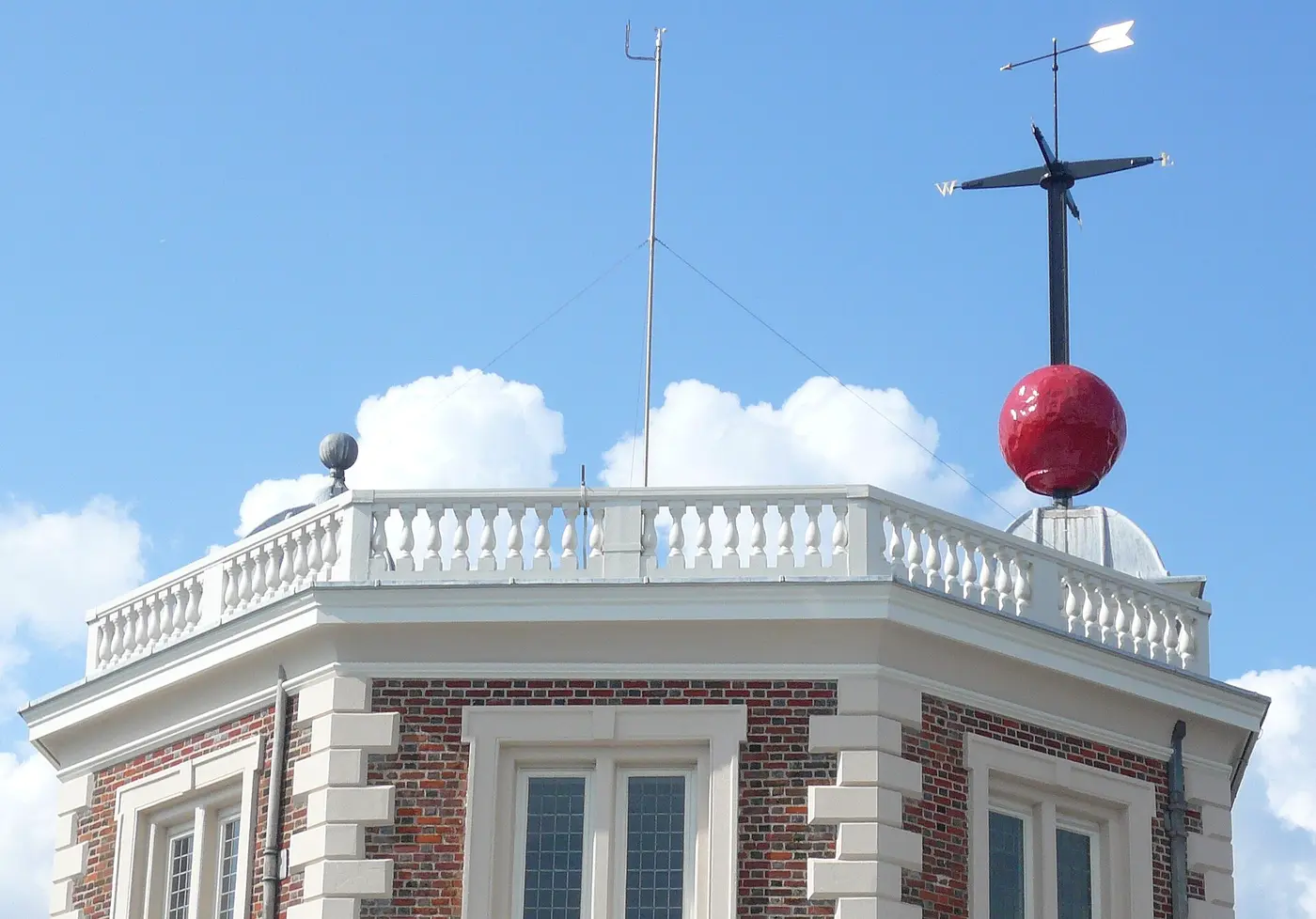
Greenwich
Delegates at the International Meridian Conference in Washington chose the Greenwich meridian as longitude zero — the line every UTC offset on this site is counted from.
1918 and 1966
Time by law
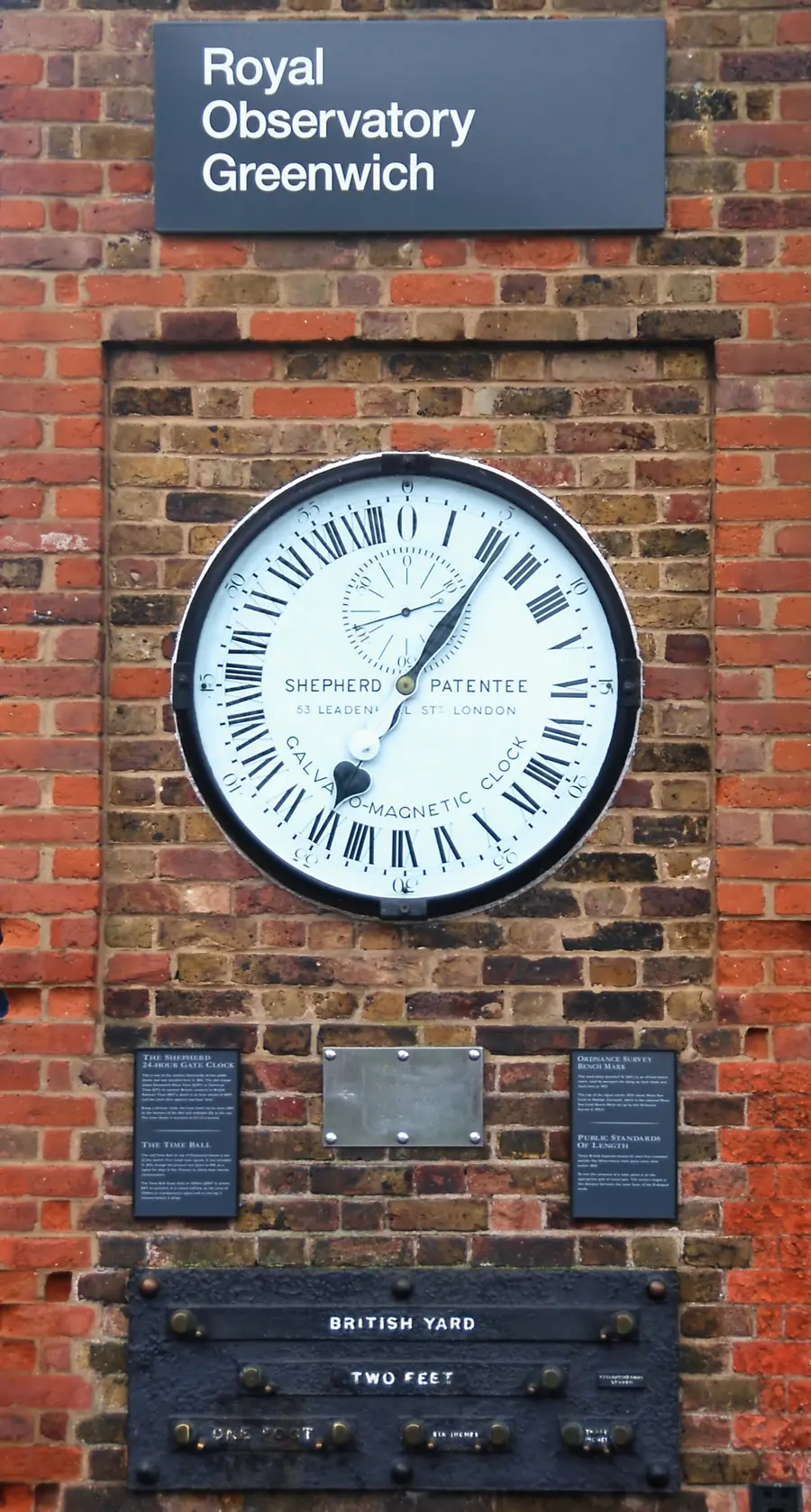
The Standard Time Act made the zones federal law in 1918. The Uniform Time Act of 1966 set common daylight-saving rules and let a state opt out, as Arizona and Hawaii do.

2026
Daylight saving
Since 2007 clocks spring forward on the second Sunday of March and fall back on the first Sunday of November: March 8 and November 1 this year.
Frequently asked questions
How many time zones are in Alaska?
Two: Alaska Time for nearly the whole state (Anchorage, Fairbanks, Juneau) and Hawaii–Aleutian Time on the western Aleutian Islands.
Does Alaska observe daylight saving?
Yes — Alaska Time moves to AKDT (UTC−8) from March 8 to November 1, 2026, and the western Aleutians move to HDT (UTC−9). Hawaii does not change.
Why is this one page for both “Alaska time zone map” and “Alaska state map”?
Almost all of Alaska shares one zone, so the state question and the zone question have the same answer; one page serves both instead of two near-duplicates.
Sources: zone boundaries from the U.S. Department of Transportation’s time zone regulations (49 CFR Part 71); offsets and daylight saving rules from the IANA time zone database. See Data Sources for how this site uses them.